Music teachers as well as dealers in musical instruments are reaping the benefits of a radio wave in which the nation now appears to be thoroughly enmeshed. For many months — in fact, ever since the broadcasting of operatic and finer musical productions began — there has been some doubt in the minds of students of the subject over the effect which would accrue to those who made their livelihood out of the sale of, or instruction in, musical instruments. It is now pretty generally agreed that the effect will be favorable to them.
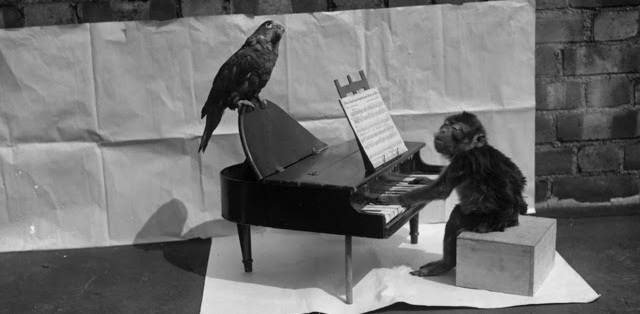
There are thousands of radio receiving sets in use across the country, and the number is increasing daily. Students of radio are assisting in its development by manufacturing their own outfits, many making improvements over the hook-ups distributed by dealers. Crystal sets, adaptable only to local reception, are becoming as scarce as 1915 automobiles — they appear to have led only to the demand for more powerful, more selective units. It has been found that much of the fascination of the pastime lies in the ability to reach distant stations whenever there is a desire to do so.
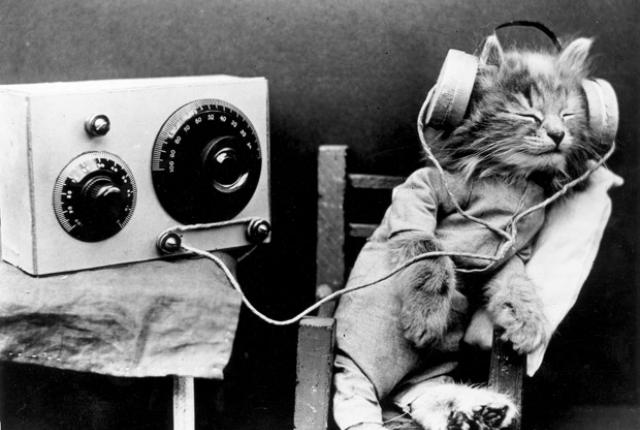
The principal programs — the great hours of music, the celebrated artists, the orchestral broadcasts and others — are as much discussed as the latest operas and concerts. Musical artists in the larger cities are becoming as familiar to the average radio fan as the headliner at the local playhouse. A cat may listen to a king, they say, and now, it seems, anyone with a receiver may listen to a virtuoso. All of this is taken to be favorable to the broadcasting of even better programs, and more of them.
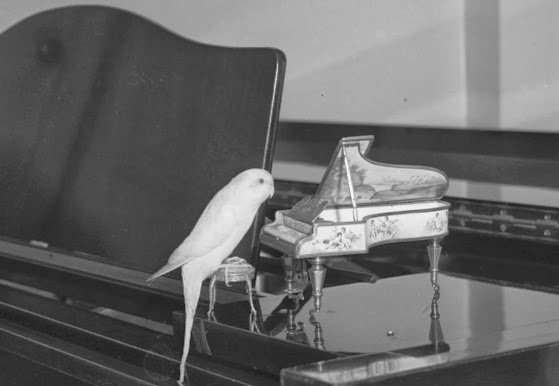
As one prominent manufacturer of musical instruments recently observed: "Such an increase in business appears logical enough when we appreciate that the desire to play on instruments of their own — or even to learn to play — is a logical result of millions of people listening to well-known orchestras and artists whose programs are broadcast by radio."
The birds that once sang only in concert halls have found a far larger audience, and the trade in instruments has followed accordingly.
But aside from the commercial possibilities of this newest craze, there is real enjoyment in it. It is an education within itself. It appeals to the hard-working business man as well as to the lover of music in both farcical and concert varieties. Radio has become a national pastime — and the nation has not been slow to adapt itself to the possibilities of it.